Jordan Retro Shoes Shop Now
Premier Jordan Basketball Shoes for Court Performance on the Court
Regarding court-ready sneakers, Jordan Brand exists at a unique crossroads between legacy and innovation. The brand established its identity on Michael Jordan’s six championship runs, and in 2026 it keeps going to equip NBA pros while supporting countless numbers of pickup hoopers who require actual on-court performance. But here’s the challenge: with over 40 numbered models and dozens of sub-models, determining which Jordans truly work on the court demands real research. Not every Jordan is engineered for basketball in 2026 — retro releases from the ’80s and ’90s lack up-to-date cushioning, while recent signature shoes offer advanced cushioning and lockdown that rival anything out there. This breakdown reviews the best Jordan sneakers for basketball performance in 2026, assessing each across cushioning, traction, support, heaviness, and responsiveness.
What Makes a Elite Basketball Sneaker in 2026
Modern basketball calls for movement in all directions — explosive sprints, side-to-side shuffles, quick deceleration, leaping — calling for cushioning that manages force without losing energy return. Traction is likely the most important attribute, because a sneaker that slips on dusty courts is really dangerous, raising likelihood of rolled ankles and knee problems. Stability involves exterior elements like outriggers and heel counters plus the shoe’s ability to secure your foot during sharp crossovers. Weight has emerged as essential as the game becomes quicker, with professional guards choosing sneakers under 14 ounces while centers accept up to 16 for additional ankle stability. Ventilation reduces overheating that diminishes grip and comfort during prolonged runs. The perfect sneaker balances all five qualities without severely undermining any individual one.
Air Jordan 38: The Flagship Performance Shoe
As the peak of Jordan Brand’s performance engineering, the Air Jordan 38 combines Formula 23 foam with a heel-to-toe Zoom Air Strobel for an exceptionally responsive court feel. At 13.8 ounces in a men’s size 10, it blends lightweight agility with padding that guards your joints during high-impact play. The engineered Jacquard upper strengthened with Flywire cables locks the foot down during defensive slides while staying ventilated for four-quarter matchups. Grip is exceptional — the herringbone outsole holds both pristine and dirty courts with assurance, and the rubber compound endures a full casual season of 3-4 games each week. The midfoot plate gives midfoot stiffness during handles and defensive shuffles. At $200 retail price, it goes head-to-head with the all jordan shoes LeBron 22 and delivers what countless testers consider the most impressive Jordan playing experience since the Jordan 28.
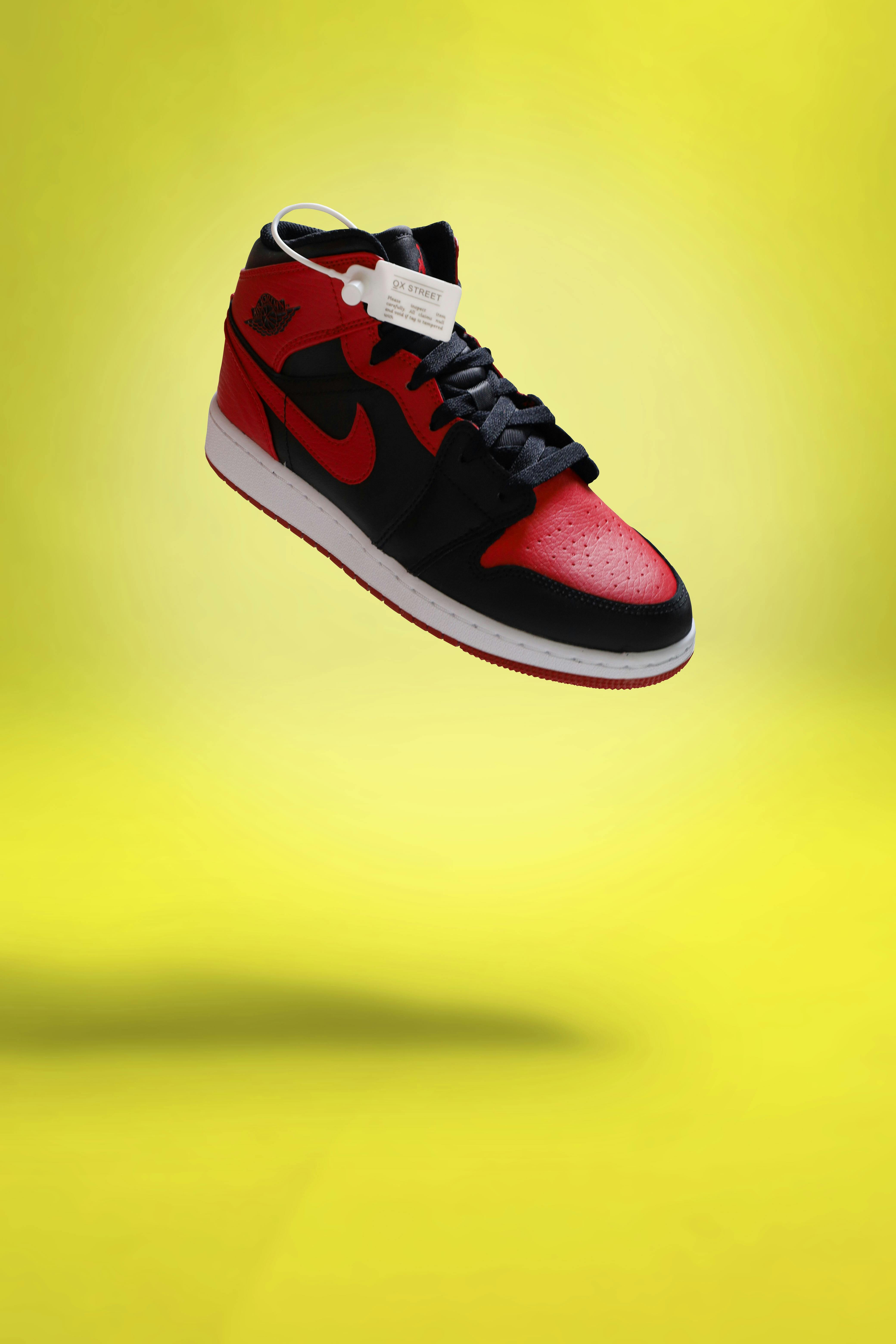
Jordan Tatum 3: Best Budget Performance Sneaker
At $130, Jayson Tatum’s third namesake sneaker has risen to the broadly recognized best-value basketball shoe of 2026, providing top-tier on-court capability. The React foam midsole with forefoot Zoom Air offers lasting comfort while delivering spring for explosive first steps and rim finishes. At 12.9 ounces, it’s one of the most lightweight performance shoes available, perfectly suited for point guards and wing players valuing agility. The performance mesh upper adapts to the foot after minimal break-in, and the inner heel structure secures the ankle without hindering motion. Traction uses widely spaced herringbone grooves that sweep dust away, preserving court bite on poorly maintained courts. Various NBA pros beyond Tatum have been noticed wearing it in games — the definitive testament of court-ready quality.
Air Jordan 37: The Complete Performer
While technically last year’s model, the AJ37 remains readily in stock at marked-down costs and continues to competes with current drops. The Lenoweave upper is at once lightweight, breathable, and structured — a textile advance shaping Jordan’s complete court shoe range. Double-stacked Zoom Air in forefoot and heel offers court feel surprisingly close to ground-level while providing significant shock absorption. At 14.1 ounces, it’s marginally more substantial than the Tatum 3 but compensates with enhanced ankle lockdown from its taller collar height and Flywire structure, which makes it excellent for bigs and big men. The outsole court grip is among the most aggressive in the lineup, with substantial cuts that hold even during explosive lateral cuts. Originally $185, it now goes for $120–$140 — arguably the most compelling performance-per-dollar in Jordan’s lineup.
Jordan Luka 3: Designed for Skilled Floor Generals
The Luka 3, engineered for Luka Dončić’s skill-based game, serves hoopers who lean on footwork and body control over sheer speed. The full-length Zoom Strobel is placed right under the foot, producing a low-to-ground feel that improves stability during step-back jumpers and Euro-steps. The broad base and enlarged outrigger give balance among the most impressive in Jordan’s range, making it perfect for larger athletes or those with ankle issues. Grip uses a circular pattern facilitating pivots and rotations at the heart of Dončić’s game, however grip drops slightly on heavily dusty floors. At $140 with wide sizing up to 18, it’s accessible to bigger athletes who have difficulty getting performance shoes in their size. If you emphasize precision over pure explosiveness, the Luka 3 thrives at what it was engineered to do.
| Model | Price | Weight (Size 10) | Cushioning | Best Position | Rating |
|---|---|---|---|---|---|
| Air Jordan 38 | $200 | 13.8 oz | Formula 23 + Zoom Air | Any position | 9.5/10 |
| Jordan Tatum 3 | $130 | 12.9 oz | React + Zoom Air | Guards / Wings | 9.0/10 |
| Air Jordan 37 | $120–$140 | 14.1 oz | Dual Zoom Air | Universal | 8.5/10 |
| Jordan Luka 3 | $140 | 14.3 oz | Zoom Strobel | Playmakers and guards | 8.5/10 |
Retro Jordans on the Court: What Really Works
The pull to play in retros is strong, but performance shortcomings make most retro releases subpar options for intense basketball in 2026. Retro releases use ’80s and ’90s impact protection — traditional Nike Air that provides minimal shock absorption but doesn’t have the bounce-back and responsiveness of contemporary Zoom Air and React foam. The Air Jordan 11 Retro is the one noteworthy standout many ballers continue to consider usable, because of its carbon fiber plate and complete Air unit, although even it falls short of 2026 performance shoes. Outsole grip on retros uses vintage rubber compounds that degrade quicker and provide less bite, particularly on dusty outdoor courts. Throwback construction — dense leather, thick padded collars — add considerable weight, coming in at 16-18 ounces versus 13-14 for current shoes. Research in the British Journal of Sports Medicine has indicated that external ankle bracing from high-tops is not as helpful than ankle strengthening exercises. Keep your retros for casual wear and invest in dedicated court shoes for the court.
Finding the Right Jordan for Your Playing Style
Choosing the ideal shoe calls for honest evaluation of your style, role on the court, and where you play. Point guards who depend on speed should focus on featherweight shoes with responsive forefoot cushioning — the Tatum 3 excels here at under 13 ounces with Zoom Air forefoot cushioning. Wing players and all-around forwards need well-rounded impact protection for attacking the rim and pull-up jumpers — the AJ38 and AJ37 fill this role superbly. Big men should examine the Luka 3, which features excellent stability during rebounding without giving up cushioning. Gym ballers can select tackier outsole rubber for indoor court bite, while street ballers should look for harder, more resilient rubber. Injury history should inform your selection — ankle issues call for wide-base shoes, knee issues demand maximum cushioning. Test shoes in person when possible, running through basketball movements like defensive slides and quick stops to assess on-court feel.
Taking Care Of Your Court Jordans
Court basketball shoes get worn hard, and correct maintenance extends usable lifespan by months. Wipe the outsole after every single run with a stiff brush and warm water to clear grip channels — blocked channels are the chief reason basketball shoes lose traction. Allow shoes to air dry completely between wears, which takes 12-24 hours, because residual moisture breaks down foam and encourages smelly bacteria. Cycle between a minimum of two pairs if you play more than two times a week, as this gives midsole foam entirely bounce back between sessions. Change basketball Jordans after roughly 75-100 hours of court time — midsole cushioning degrades silently long before soles display signs of use. Store at moderate temperature away from heat sources that hasten foam breakdown. These practices aren’t just about making shoes last — they’re about preventing injuries, because degraded foam increases risk of bone stress injuries, plantar fasciitis, and twisted ankles.
For the complete Jordan basketball collection, visit the Jordan Brand basketball collection on Nike.com.